Provenance StoryTag an item

Luxury & collectibles

Heirlooms, with receipts

For anything whose value depends on being genuine — and on where it has been — a digital identity is the new box and papers.

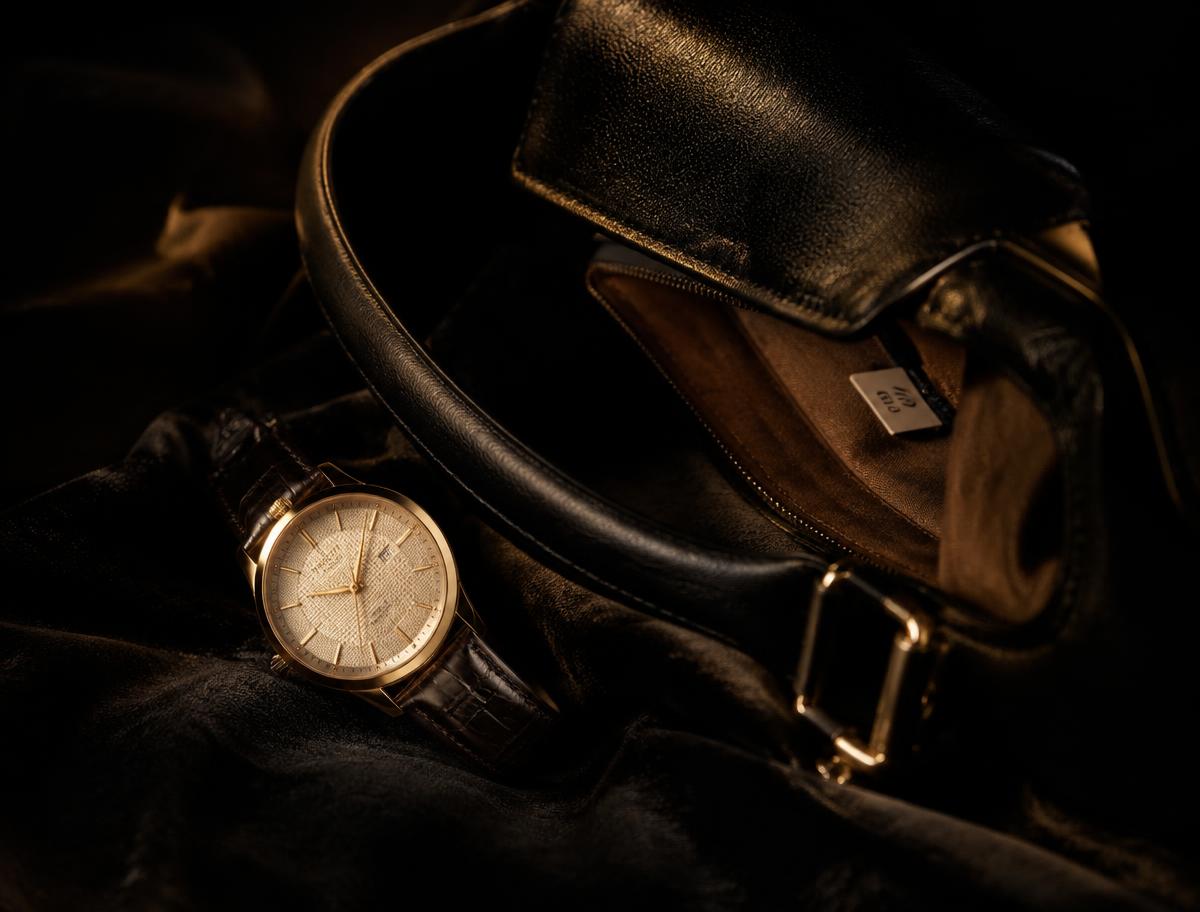
Luxury watch and leather handbag with a hidden NFC tag

Watches

Service history, original papers, part replacements and ownership.

Handbags & fashion

Hidden NFC in the lining confirms authenticity at resale.

Fine wine & spirits

Storage conditions, cellar transfers and bottle-level identity.

Rare books & manuscripts

Edition, binding, inscriptions and auction records.

Classic cars

Restoration logs, matching-numbers evidence and race history.

Jewellery & gemstones

Grading reports and origin documentation, linked for life.

Box and papers, upgraded

"Full set" listings command a premium because papers prove origin. But papers can be lost or forged. A secure NFC chip embedded in the item — paired with a record on SmartLinks — means the proof can never be separated from the object.

Ownership transfer without friction

When an item is sold, the record is transferred to the new owner, preserving the full chain while keeping personal details private. Insurers, auction houses and resale platforms can verify in seconds.

Learn the fundamentals in how provenance tagging works.

Powered by SmartLinks

Give your collection a digital identity

SmartLinks connects physical objects to a living digital record — one identity per item, readable by QR or NFC, with ownership history, documents and media that travel with it.

Questions

Frequently asked

Does a provenance tag increase resale value?+

Documented provenance consistently supports buyer confidence and price. A tag makes that documentation instant to check, which helps at resale, auction and insurance valuation.

Is this the same as a Digital Product Passport?+

It is closely related. SmartLinks identities are built to be compatible with GS1 Digital Link and EU Digital Product Passport requirements, so the same tag can serve compliance and provenance.

What about privacy for owners?+

Public information (what the object is, whether it is genuine) can be separated from private information (who owns it, what they paid), which only authorised people can see.